.png?width=240&height=72&name=Untitled%20design%20(22).png "Untitled design (22)")


By Luke Hutchinson on Feb 18, 2026, 12:00:00 PM
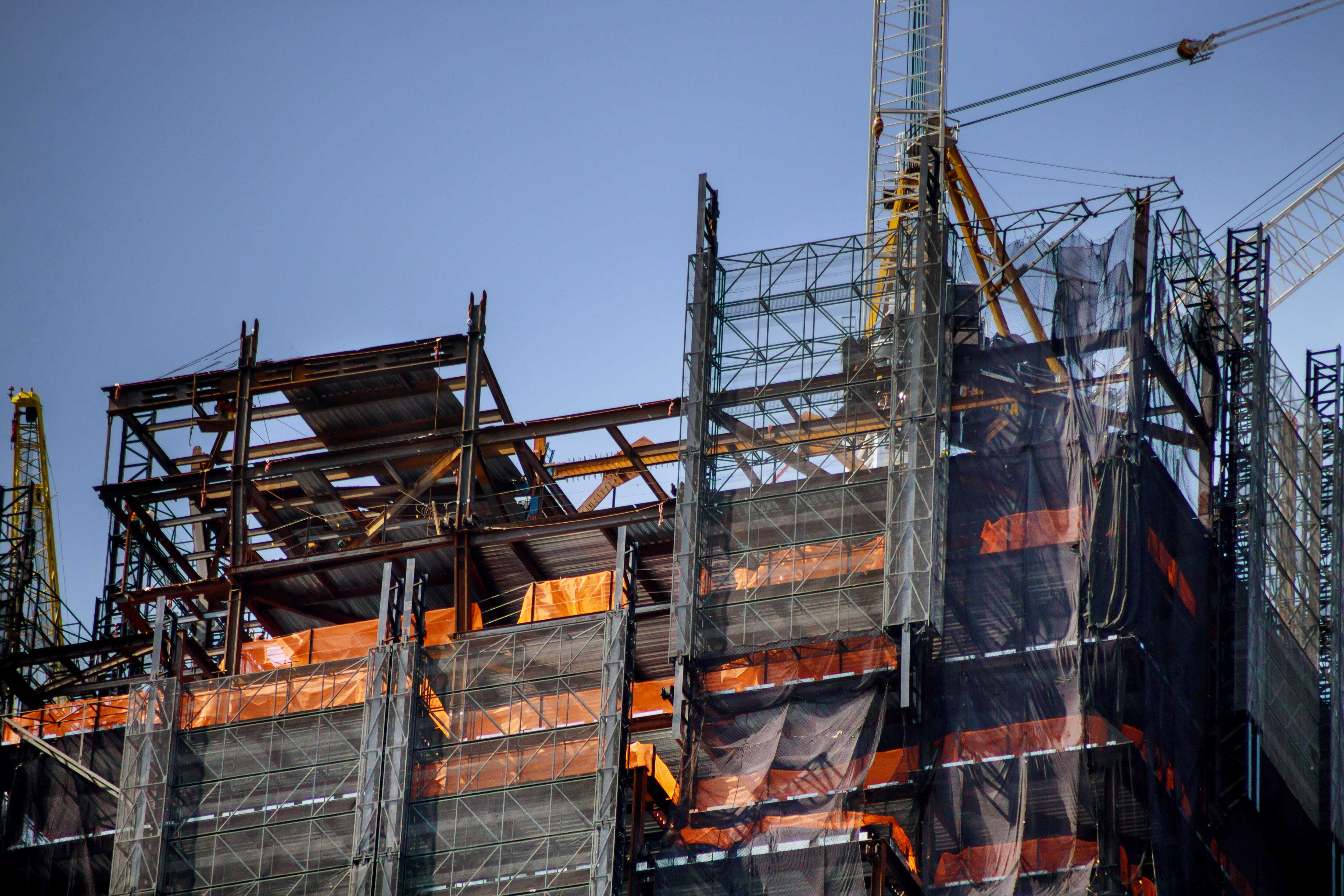
If you manage construction projects in the UK, then the weather is probably the bane of your life, disrupting your schedule when it’s the last thing you need and contributing to missed deadlines. You may want things to happen at certain times but the weather doesn’t know about that and it certainly doesn’t care about your programme.
Wind, rain, low temperatures and airborne debris can quickly derail carefully planned schedules, particularly during structural phases and early internal works. When conditions turn, concrete pours are delayed, internal fit-out stalls, materials are damaged and trades are forced to wait, all of which carries a direct cost.
Weatherproof screens provide a practical way to regain control. By creating protected working environments within partially complete buildings, they allow you to maintain momentum, protect quality and keep projects moving even when conditions outside are less than ideal.

Why Weather Is Such A Risk To Construction Programmes?
Weather-related delays are not just inconvenient, they’re also expensive. Wet conditions and low temperatures can cause a whole host of problems from delayed concrete pours and curing and damage to materials stored on site to an increased risk of defects on finished works. It can also delay internal trades from starting on time.
Once delays begin to stack up, knock-on effects ripple across the entire programme. Rescheduling trades, extending hire periods and managing claims quickly eats into margins.
For large or complex builds, relying on favourable weather is rarely a realistic strategy.
What Weatherproof Screens Actually Do?
Weatherproof screens are temporary protective systems installed within or around partially complete structures. Typically fixed to steel frames or structural elements, they create enclosed zones that shield internal works from external conditions.
In practical terms, this allows you to:
-
Continue internal fit-out while external cladding progresses
-
Protect concrete pours during curing
-
Safeguard materials and equipment
-
Maintain cleaner, safer working environments
These systems are a core part of modern temporary screens construction, particularly on commercial and industrial sites where parallel working is essential.
Supporting Parallel Working On Busy Sites
One of the biggest advantages of weatherproof screens is their ability to support multiple workstreams at the same time.
Rather than waiting for the building envelope to be fully sealed, you can:
-
Begin internal trades earlier
-
Maintain programme momentum
-
Reduce idle time between phases
This approach is especially valuable on larger projects where sequencing delays can have significant financial consequences. For site managers and project leads, weatherproof screens offer a way to protect both timelines and budgets.
Applications Across Construction Phases
Weatherproof screens are used across a wide range of construction activities, including:
-
Concrete Works - Temperature and moisture have a direct impact on concrete curing. Screens help stabilise conditions, reducing the risk of defects and rework
-
Internal Fit-Out - By enclosing areas early, you can allow dry trades to start while external works continue which is a major programme advantage
-
Material Protection - Stored materials are vulnerable to moisture and contamination. Enclosed zones reduce damage and waste
-
Dust and Debris Control - In addition to weather protection, screens are commonly used for dust screen construction, helping contain debris and maintain cleaner working areas which is particularly important on multi-trade sites or live environments
How Weatherproof Screens Differ From Rain Screens?
The term rain screen construction is often used broadly, but it is worth making a distinction.
Permanent rain screen cladding systems are designed as part of the finished building envelope. Weatherproof screens, by contrast, are temporary solutions designed to protect works during construction.
Their value lies in the speed of installation, flexibility and ability to adapt to changing site conditions. For projects where timing is tight, temporary systems often provide a more practical and cost-effective solution to make sure the job is finished on time and on budget.
Bespoke Design Matters On Large Projects
No two construction sites are the same. Structural layouts, access constraints and programme pressures all influence how protection systems need to be designed.
Effective weatherproof screens are:
-
Manufactured to suit exact frame dimensions
-
Configured around site-specific constraints
-
Installed quickly by experienced teams
This is where working with a manufacturer-installer adds value. In-house manufacturing allows systems to be tailored precisely to your site, rather than forcing standard sizes into the complex environments often found on modern or large-scale industrial building sites
Speed, Safety And Programme Control
From a programme management perspective, the benefits of weatherproof screens are myriad. By using them you reduce weather-related delays, improve working conditions for trades, lower the risk of defects and rework and have greater control over the sequencing of work because it’s no longer weather dependent.
Installation is typically rapid, allowing protection to be put in place as soon as it is needed rather than weeks later. For senior project managers, this speed translates directly into reduced risk and improved delivery certainty.
Choosing The Right Supplier
When specifying weatherproof screens, it is important to look beyond the product itself.
Key questions to consider include:
-
Can the supplier manufacture bespoke systems in-house?
-
How quickly can they survey, design and install?
-
Do they have experience on large commercial, construction or industrial sites?
-
Can they support changes as the project evolves?
Suppliers that control manufacturing and installation are better positioned to respond quickly and adapt solutions as site conditions change.
A Practical Tool For Unpredictable Conditions
Weather will always be a factor in UK construction. The question is whether it controls your programme or whether you plan around it.
Weatherproof screens offer a proven, practical way to keep projects moving, protect quality, and reduce disruption. For large-scale construction projects, they are more than a contingency measure for your building project. They are the difference between getting delayed, running over budget and cutting into your profits or finishing ahead of time and reaping the financial and reputational benefits.
Don't let weather delays impact your project timeline. Speak to our team about weather protection solutions for your construction site.

Industrial Curtains For Dust Control: Meeting HSE Requirements Without Stopping Production
How Waites Mechanical Services Created A Warmer, More Flexible Factory Space With Hutchinson PVC
No Comments Yet
Let us know what you think