


By Luke Hutchinson on Nov 26, 2025, 10:00:02 AM
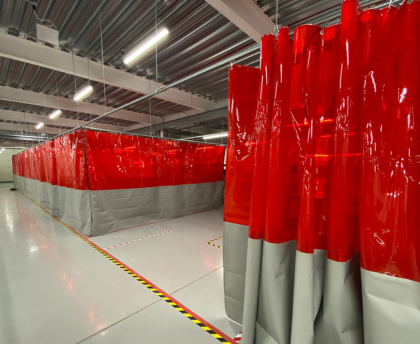
As autumn transitions to winter, dropping temperatures and increased heating demands create significant challenges for production facilities.
What is manageable at home becomes a serious operational issue in large industrial spaces, where temperature control directly affects productivity, quality and costs. With increasing pressure on energy bills, the stakes are higher.
Winter weather dramatically affects internal temperatures in open-plan warehouses and factories. Heat is easily lost through loading bay doors or poorly controlled zones.
These temperature swings do more than make working conditions uncomfortable for staff. They can also disrupt machinery performance, drive up energy consumption and compromise production quality.

The Cost of Temperature Fluctuations
For operations and production managers, maintaining consistent conditions through winter is essential.
Temperature fluctuations cause machinery calibration issues. Sensors, conveyor systems and automated systems can perform inconsistently when temperatures drop or fluctuate rapidly.
Sensitive electronics and materials used in testing and production may also react unpredictably, leading to downtime or increased reject rates.
Staff comfort and productivity are equally affected. HSE guidance recommends workplace temperatures of at least 16°C for normal work, or 13°C if the work involves rigorous physical effort. Cold draughts from open roller shutter doors or unheated areas can reduce morale and concentration, especially when employees move between contrasting temperature zones.
Even modest temperature drops affect manual dexterity and attention, slowing output and increasing the risk of errors.
Energy waste is another concern during winter. Many warehouses lose substantial amounts of heat simply because they lack defined thermal zones.
When heating systems try to warm entire open-plan spaces, including areas that don't need conditioning, the result is high energy bills and uneven temperatures.
Add the frequent opening of loading bay doors during deliveries, and it's clear why many sites struggle to retain heat efficiently.
How Industrial Partitions Stabilise Temperatures
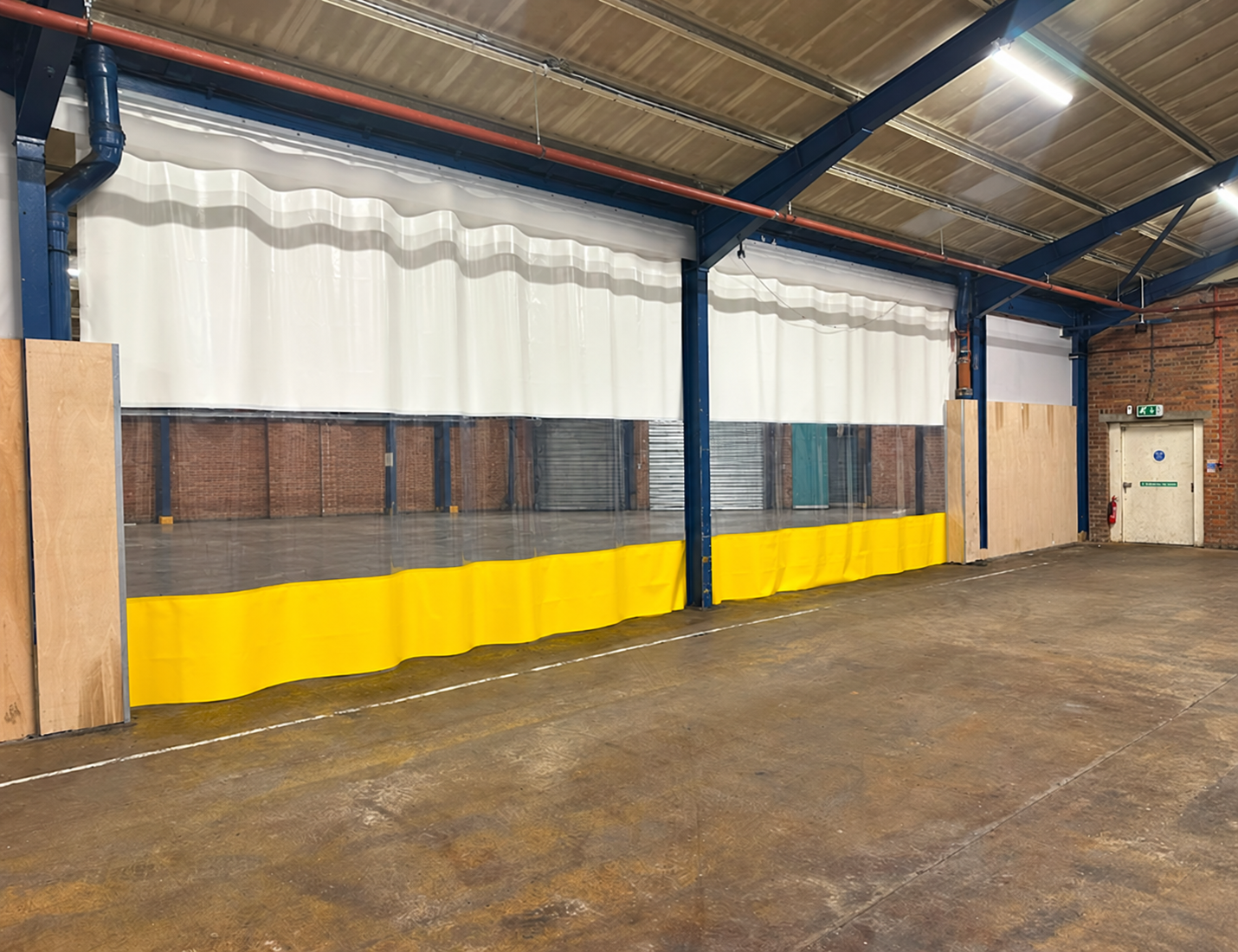
Flexible partitions and industrial warehouse curtains offer a practical solution to winter temperature control challenges.
These systems let you divide your warehouse space into temperature zones quickly and cost-effectively. You can stabilise controlled environments without full-scale construction.
Unlike permanent walls, warehouse partitioning systems can be installed rapidly, often within a single day, and reconfigured as operational needs change.
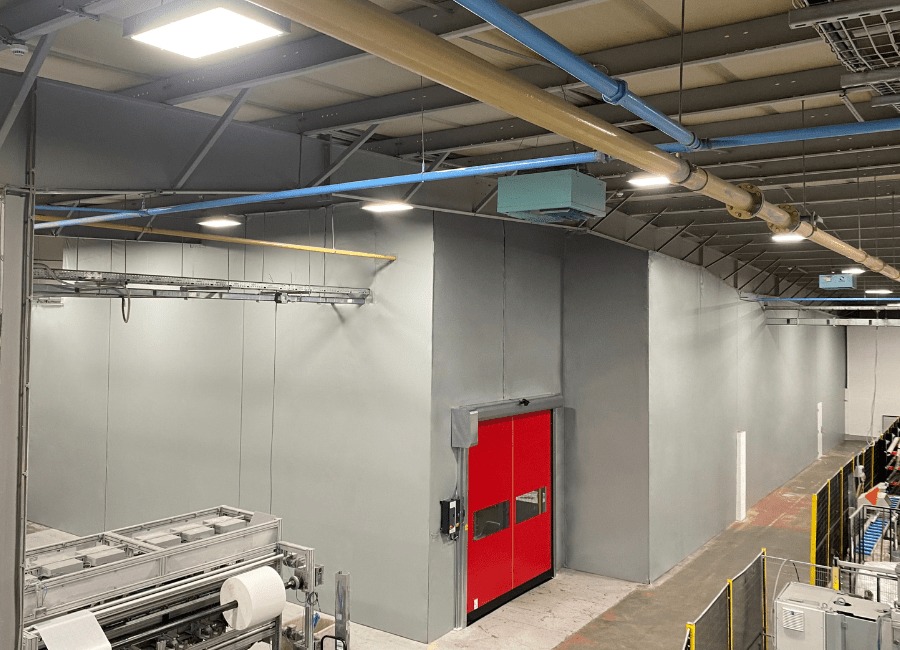
They act as a physical barrier that limits heat loss and blocks cold air movement. This makes them particularly effective around loading bays, assembly areas or quality control stations.
By retaining warm air where it's needed most, flexible partitions help maintain a comfortable working environment and reduce strain on heating systems during winter.
The key advantages for most warehouse settings include:
- Rapid installation with minimal disruption to live operations
- A cost-effective alternative to permanent walls and steel partitions
- Clear temperature zones and controlled environments that significantly reduce heat loss and energy loss
- Flame-retardant PVC that supports fire integrity, safety and building regulations
- Easy access between zones, maintaining accessibility with direct access where needed
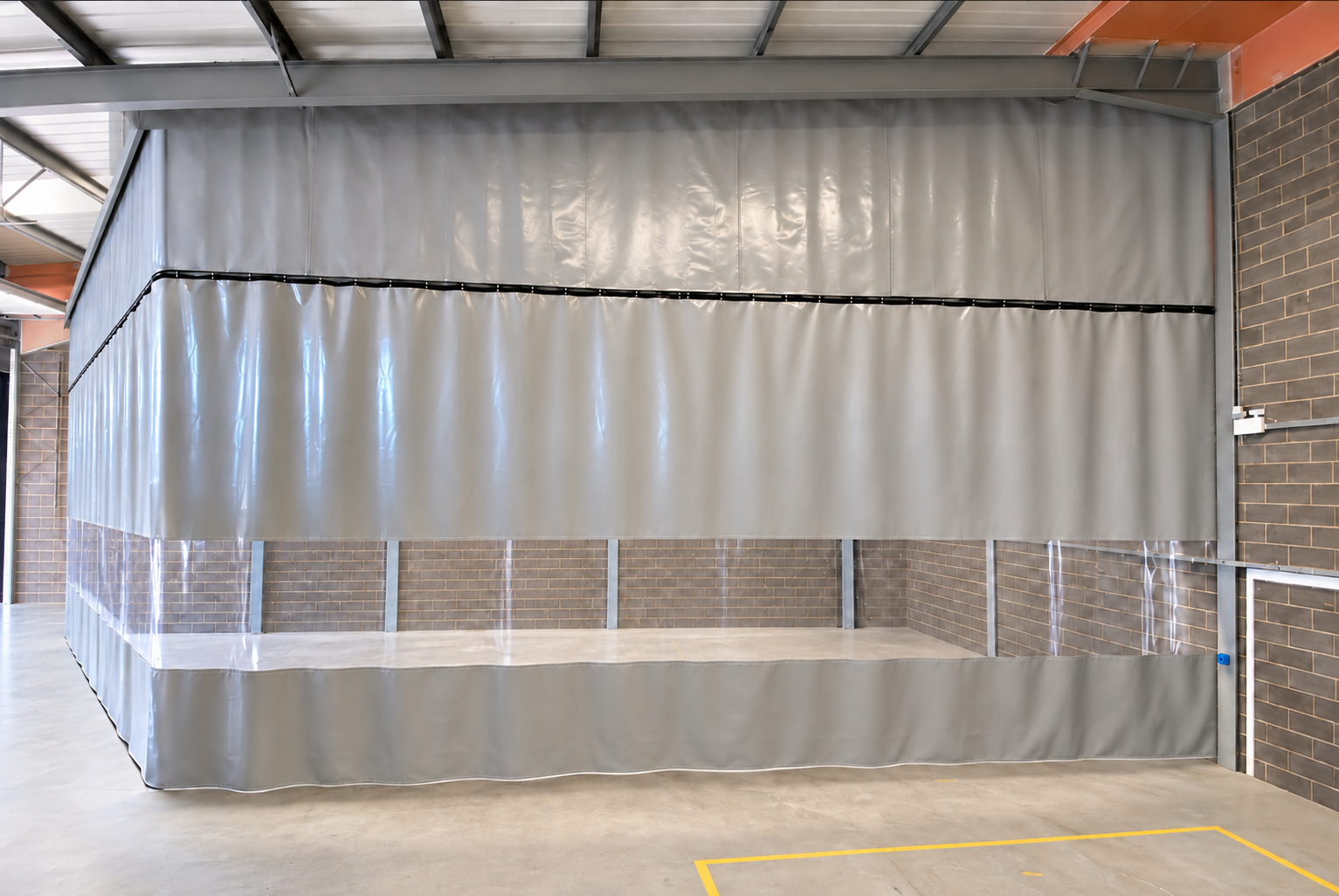
- Different types of industrial curtains, including PVC strip curtains and divider curtains, for dust control, humidity levels and clean zones
They can also be fitted around pallet racking, mezzanine floors and bulk storage without disrupting your existing structure, protecting valuable space and storage capacity.
The result is a tangible improvement in both energy efficiency and working conditions. Research on zone control systems shows energy savings ranging from 15% to 30% when zones are managed effectively. The highest savings come in facilities with significant temperature differentials between zones.
Installation costs are typically recovered within 2 to 4 years through reduced energy expenditure. Ongoing savings then continue for the 10 to 15-year lifespan of the system.
The ROI is further enhanced by seasonal flexibility. Partitions can be adapted between summer and winter requirements, opening up or repositioning them as production demands and climate needs shift through the year.
Because every site is different, the right setup depends on your storage requirements, processes and layout. Hutchinson's begins with a site survey and designs a custom solution to suit your warehouse space, whether you run a food processing line, a storage facility or a mixed operation.
Real-World Temperature Control Solutions
The effectiveness of industrial partitions for winter temperature control has proven valuable across manufacturing and industrial environments where stable conditions are critical.
When Nikon's UK facility contacted us, they were experiencing rapid temperature drops every time their large roller shutter door opened during the colder months.
These fluctuations were interfering with sensitive microchip testing equipment that requires precise environmental conditions.
We installed a flexible PVC partition system suspended from roof purlins. This created a fully sealed zone that maintained stable temperatures regardless of external door activity.
The result was improved equipment performance, more accurate testing and more comfortable working conditions for staff.
Harrison Spinks faced similar challenges when process changes introduced contamination concerns alongside temperature control issues. A 40-metre flexible partition wall contained the contamination and helped maintain more stable environmental conditions within their production area.
This contributed to better process control and reduced energy waste from uncontrolled air movement during the heating season.
Winter-Ready Workspace Solutions
For manufacturers managing sensitive processes, industrial partition walls enable the creation of stable micro-environments. These are essential for equipment testing, curing or calibration during winter.
With reduced temperature fluctuation, both machinery and measurement systems perform more consistently. This helps maintain product quality and compliance standards, regardless of external weather conditions.
As we move deeper into autumn and towards winter, now is the ideal time to address temperature control challenges before the coldest months arrive.
Flexible industrial partitions offer a fast, low-disruption solution. They help you maintain comfort, protect equipment and reduce heating costs, all while keeping operations running smoothly.
Concerned about temperature control as winter approaches? Discover how industrial partition systems can maintain stable conditions and reduce heating costs. Contact us today to discuss winter-ready solutions for your facility.
How Warehouse Partitioning Systems Improve Climate & Combat Dust
Do Industrial Curtains Stand Up To Heavy Chemicals And Solvents
No Comments Yet
Let us know what you think